

New publication in JVGR

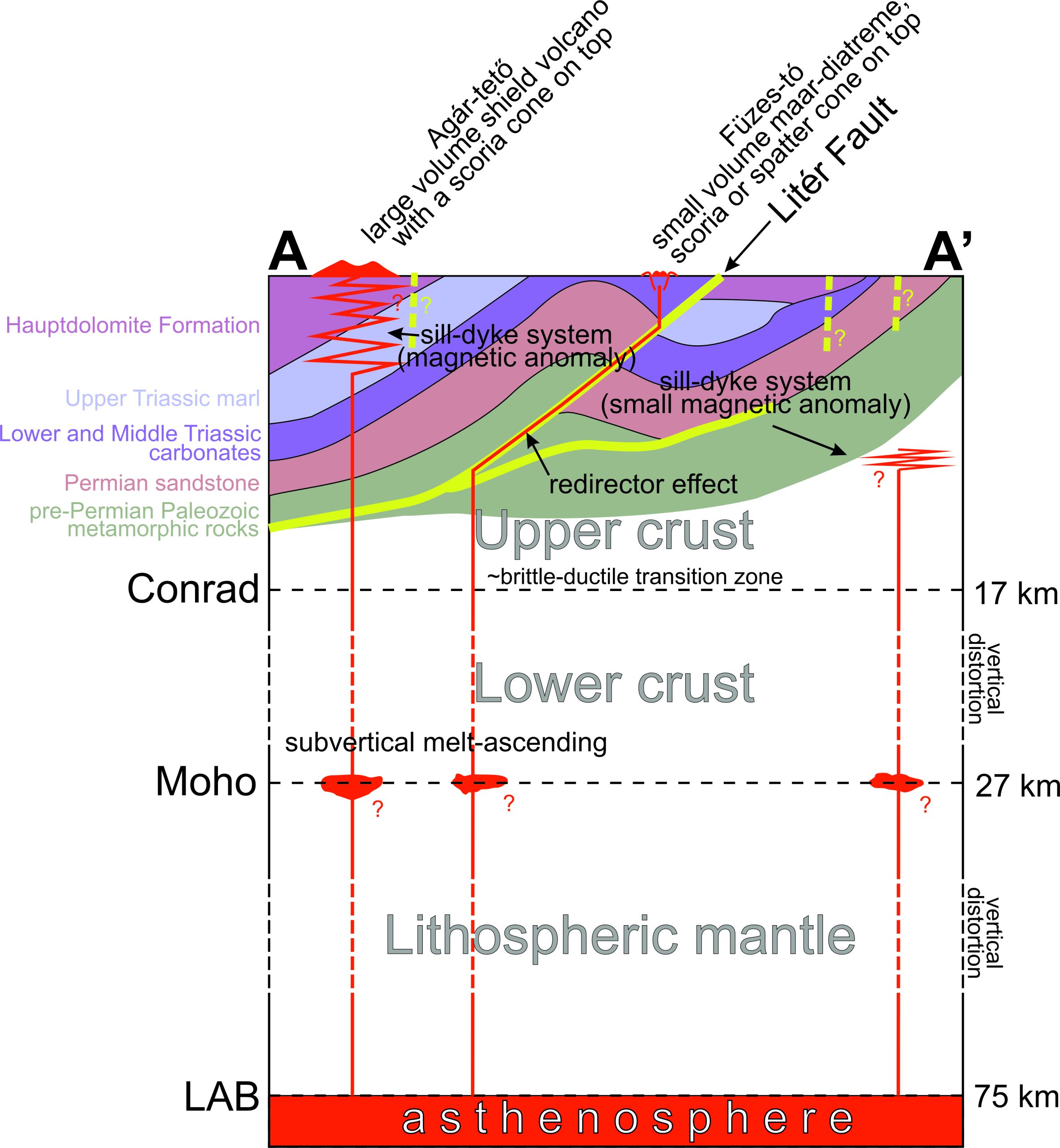
The volcanic supply pathway is an important basis for our research, because the lithospheric rocks (and their trapped fluid inclusions) sampled by the basalt form the basis of our research. It is important information for us to understand what within the lithosphere influences/modifies the subvertical direction of volcanic upwelling; this will give us insight into the possible direction of the sampled lithosphere.
Our new paper on the spatial and temporal sampling of the volcanic centres of the Bakony-Balaton Highlands Volcanic Area is now available in the prestigious volcanological journal, Journal of Volcanology and Geothermal Research. Geographic information systems (GIS) and statistical methods were used to analyse the spatial distribution of volcanoes. Our results indicate that in a significant number of cases, pre-volcanic tectonics and the inherited structural elements (faults) that have developed have a significant influence on the location of volcanoes. 
In this paper we conclude (Mátyás Hencz et al.) that inherited structural elements may have played an important role in the upwelling of magma in the upper crust: they may have channeled the melt, diverted it from its original path and caused the alignment of volcanoes at the surface.
The research was carried out in collaboration with the MTA FI Lendület Pannon LitH2Oscope Research Group.
The publication is available for free – open access – download: https://doi.org/10.1016/j.jvolgeores.2023.107940

Goldschmidt 2023, Lyon

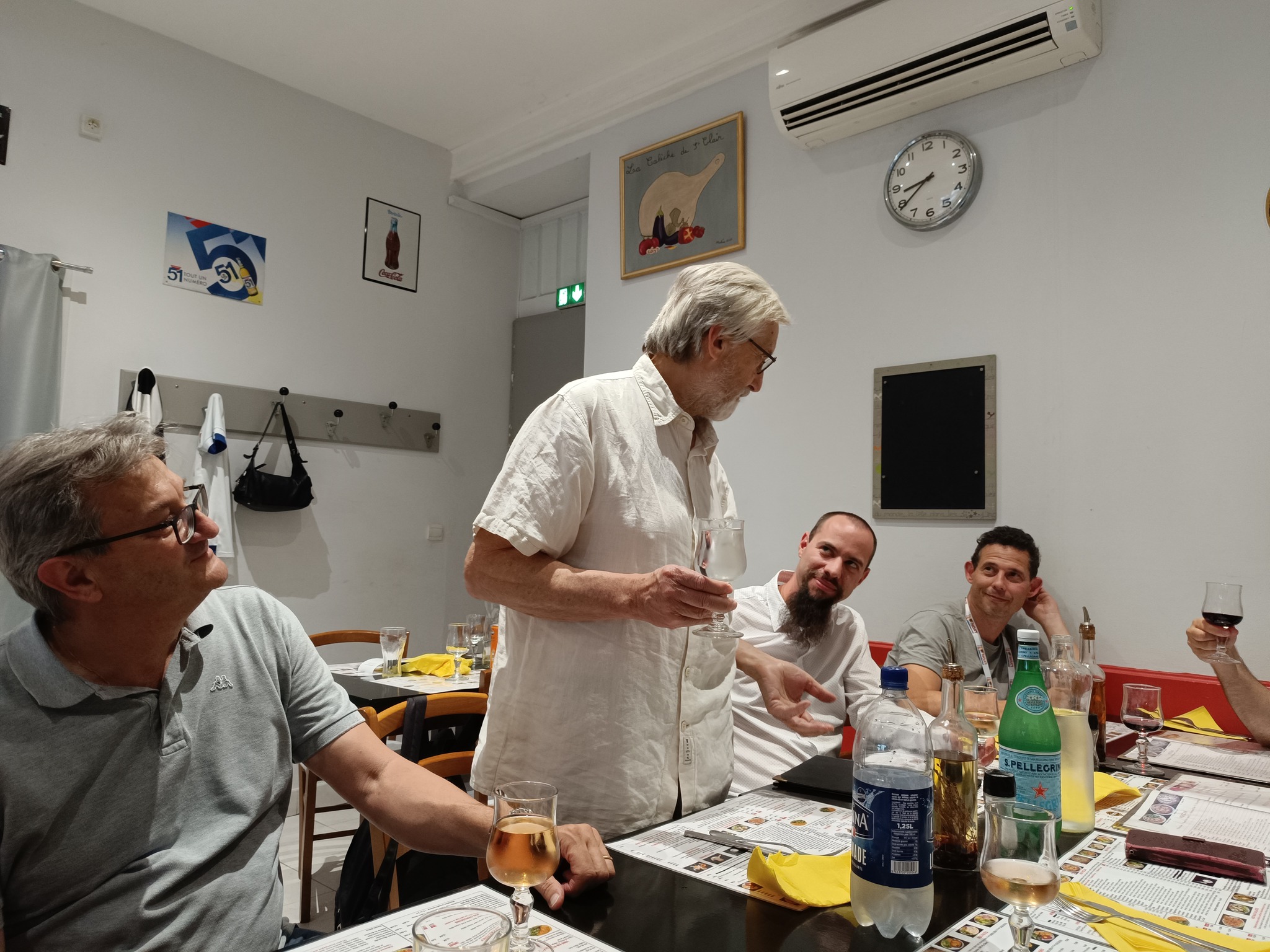
The Goldschmidt International Conference (https://conf.goldschmidt.info/goldsch…/2023/meetingapp.cgi), organised by the European Association of Geochemistry and the Geochemical Society, took place for the 33rd time on 9-14 July 2023 in Lyon, France. Hungary was represented by a large number of students and staff from several universities and research institutes, some of whom were keynote speakers, invited speakers or section chairs. Several members of our research group and of the other Lendület research group of the ELKH Institute of Earth Physics and Space Science, MTA FI Lendület Pannon LitH2Oscope Research Group and of the ELTE TTK Lithosphere Fluid Research Lab participated in the scientific event. 
The most significant moment for the research group was the realisation of a scientific session that dedicated to the scientific work of Csaba Szabó, who has been teaching and researching at ELTE for decades and is currently a staff member of the Institute of Earth Physics and Space Science. The session was prepared and organised by former students (from all over the world) and collaborating researchers (Prof. Bernardo Cesare, Professor at the University of Padua), without Csaba’s knowledge, of course.

The session, which included 17 papers and 15 poster presentations, was entitled: Geochemical and geodynamical processes of the lithosphere based on fluid, silicate, carbonatite, and sulfide melt inclusions of the upper mantle and crust (session in honour of Dr. Csaba Szabó). As the keynote speaker of this special session, Robert John Bodnar (Virginia Tech, USA) – a renowned expert on fluid and melt inclusions and former mentor of Csaba Szabó in the USA – praised Csaba Szabó’s exemplary professional and pedagogical excellence, based on his major scientific achievements, successes and collaborations, which are marked by the generations of researchers he has appointed, both in Hungary and abroad. Other invited speakers included Enikő Bali (University of Iceland, Iceland), Costanza Bonadiman (Università degli Studi di Ferrara, Italy) and Gregory M. Yaxley (Australian National University, Australia). 
The head of our research group, Márta Berkesi, participated as one of the section chairs and main organizers, in addition to her poster presentation. Tamás Spránitz, a young researcher from our group, gave a presentation in the section, while Justine Myovela, a PhD student who joined our project, gave a poster presentation.

The session and its positive reception is a great tribute to Csaba Szabó and, through him, to the Hungarian geosciences.


ECROFI 2023 – Iceland

FluidsByDepth on international field trips this summer!

Part 1 – ICELAND

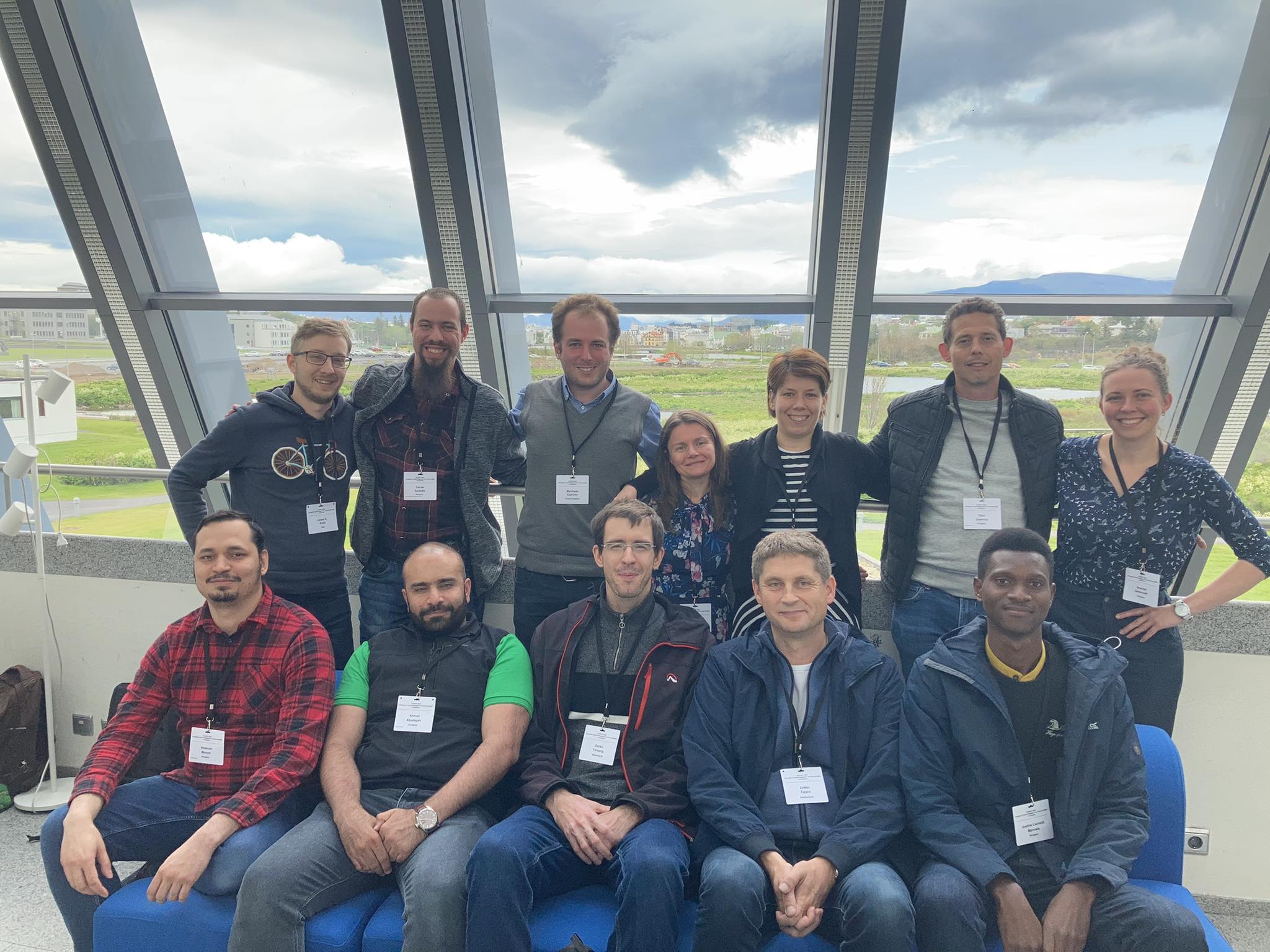
ECROFI, the most prestigious meeting for fluid inclusions, was held in a special location in Iceland (Reykjavík) this year (https://ecrofi2023.is/). 
In addition to the traditional scientific presentations/posters and consultations and collaborations were strengthened and continued, we had a unique experience:

1) we were able to visit the border between the Eurasian and American continental plate
2) live geyser eruptions – which are also “fluidsbydepth”, i.e. the transport of deeper fluids to the surface – but from shallower depths
3) the earth was shaking beneath us: we felt several earthquakes a day in the days leading up to the Reykjanes Peninsula volcanic eruption (members of the research team were on the ground in the days before the eruption), which has since received understandably high media coverage
4) the conference gave us insights into socio-economic-scientific geological collaborations that concern all of us, but have already been implemented in Iceland, such as 
 – Carbfix (https://www.carbfix.com/) : atmospheric CO2 storage by mineral capture 
 – The Iceland Deep Drilling Project (https://nea.is/geothermal/the-iceland-deep-drilling-project/), which is investigating and applying the energy production economics of supercritical geothermal fluids from Iceland’s geothermal fields 

In Iceland we also learned and re-experienced the general importance of fluids in earth processes, thanks to Enikő Bali for organizing the conference!


MTA interview

A great and insightful interview with Marta Berkesi from the MTA FI Fluidsbydepth Momentum Research Group, which has been active since last autumn. It shows that not everything is solid underfoot. Enjoy your reading!

Click here for the interview!


ISZA 2023

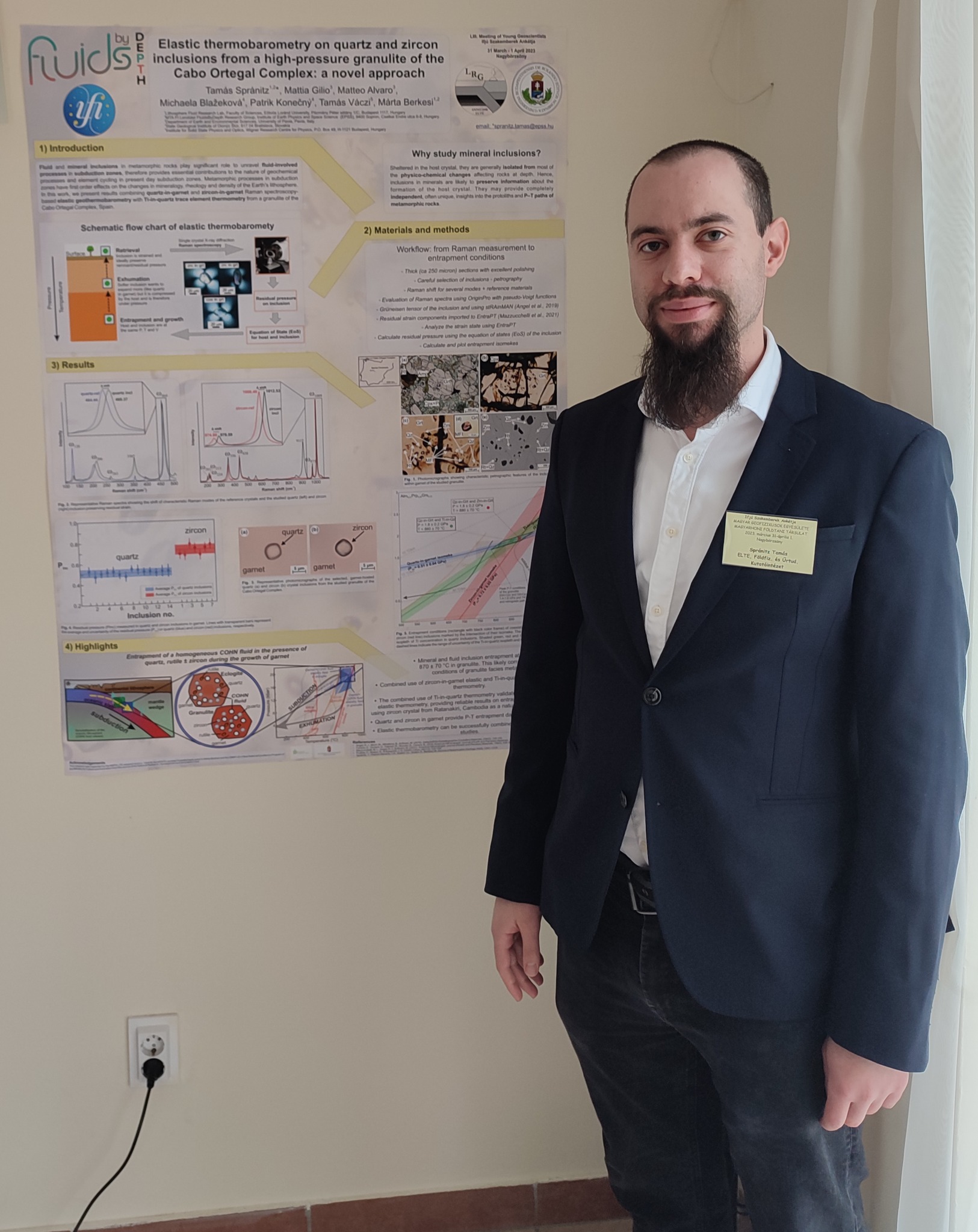
A small part of our research team was also represented at the Meeting of Young Geoscientists (Ifjú Szakemberek Ankétja, ISZA) in Nagybörzsöny before Easter. 
We are very pleased that our group member Tamás Spránitz came 3rd in the poster competition. Tamás presented the application of a method – elastic thermobarometry – which is also in the plans of our Lendület research group and which is an internationally new scientific approach with great potential to understand the pressure-temperature relationships of deeper crustal rocks and fluids. 
Congratulations to Tamás for his achievement at the conference and for “bringing the method home” in particular. Keep it up!
We thank the organizers of the ISZA (Hungarian Geophysicists Association, Hungarian Geological Society) for the meeting and for giving young geoscientists the opportunity to test their scientific achievements!


Pécs presentation

We were in Pécs at the end of December!
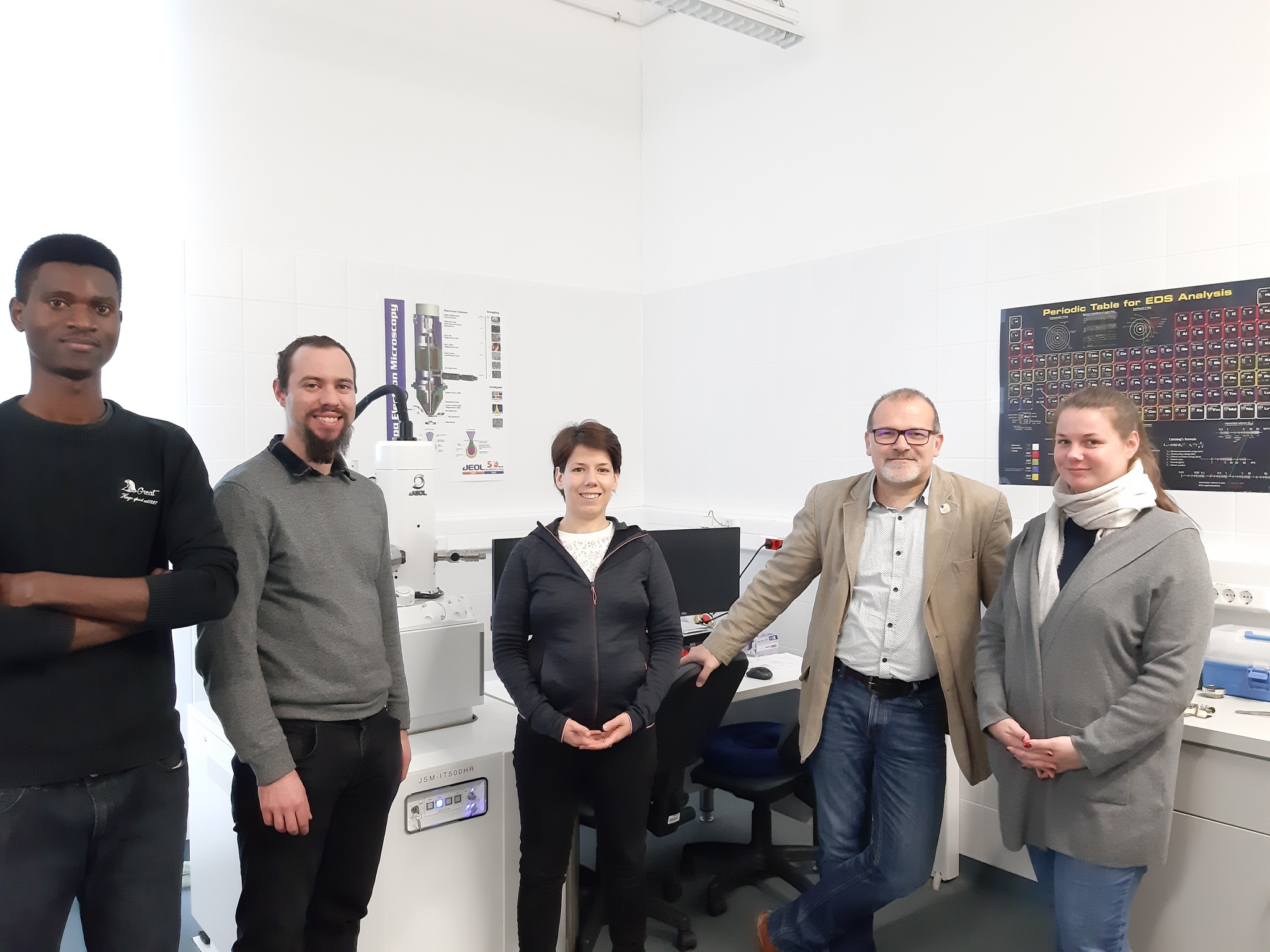
At the invitation of the PTE Szentágothai János Research Centre for Environmental Analysis and Geoanalytics and the PTE Doctoral School of Earth Sciences, our MTA-FI Lendület FluidsByDepth research group presented its work.
Márta Berkesi, Tamás Spránitz and Mátyás Hencz (online) also gave short presentations (details here)
Thanks to Prof. János Kovács for inviting us to visit the Geoanalytics Research Group’s labs and to discuss possible cooperation opportunities.
We will be back, Pécs!
 

Fieldwork 2022

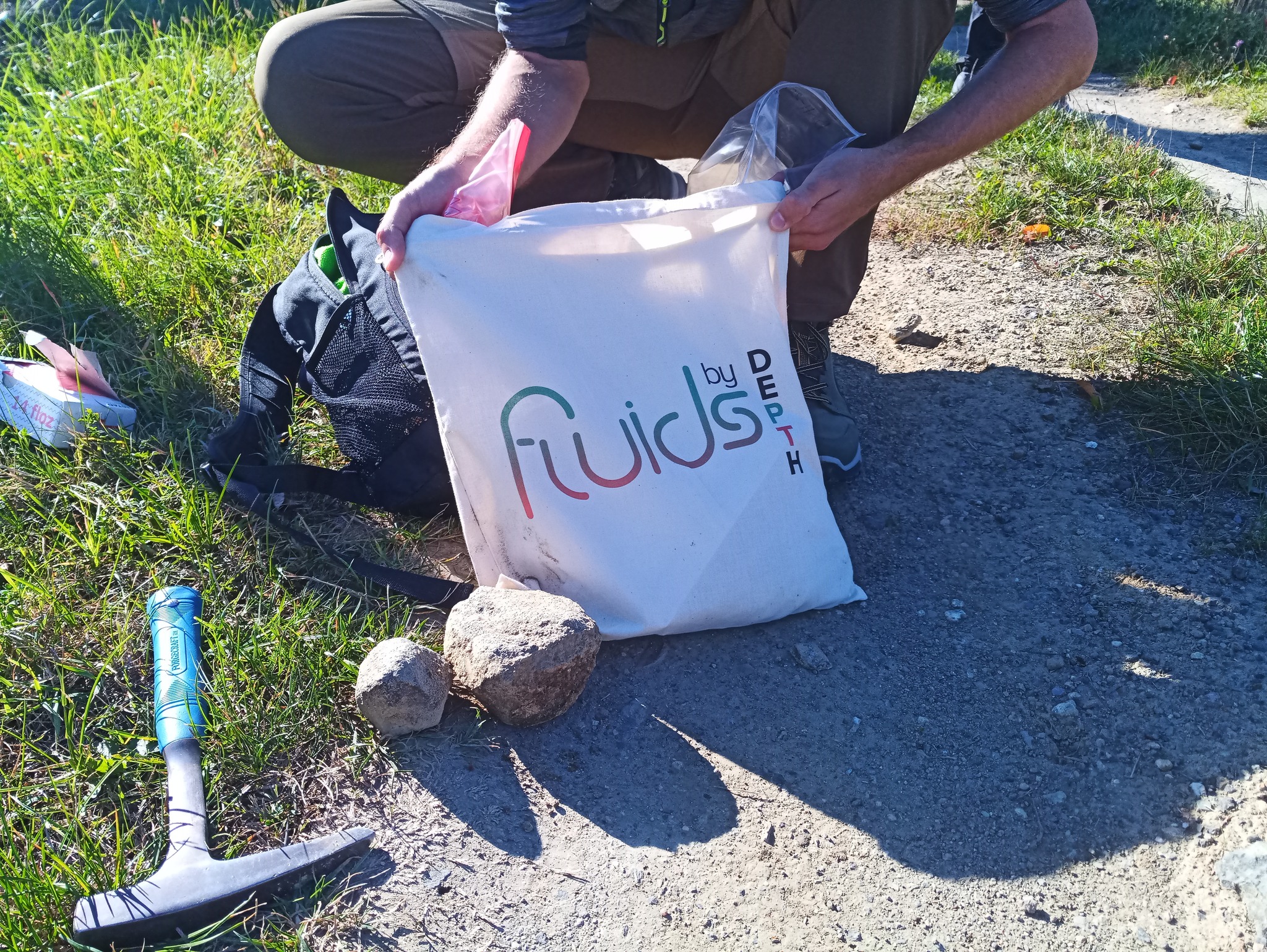
The focus of the Lendület research group is the Bakony-Balaton Highland Volcanic Field. So it was a no-brainer for us to start the project and make several field trips here before the colder season began, in order to build up the necessary field knowledge and, of course, sufficient rock samples to base our work on.

But why the Balaton Highland Volcanic Field?

-Because here, geologically young (8-2 million years) volcanic activity has brought to the surface rocks that originate from the lithosphere up to 10 km deep, i.e., from different parts of the Earth’s crust or even from the upper part of the Earth’s mantle.

-Because nature has revealed all this in a well-explored state (we have more than 100 potential collection points so far!) 

-Because these rocks contain a series of melt, liquid and/or gas droplets trapped in the rocks, which are a major focus of research, as we can understand the migration over several kilometres of important molecules such as CO2 or H2O

+and a non-technical point: because the juxtaposition of Lake Balaton and volcanic structures is an eye-catching sight!

We’ve been out in the field four times in 2022!

For more images, follow our Facebook page: MTA FI FLuidsbydepth Lendület Kutatócsoport


Kickoff

“Without science we would not be what we are. And without science we would not be what we could be”. 

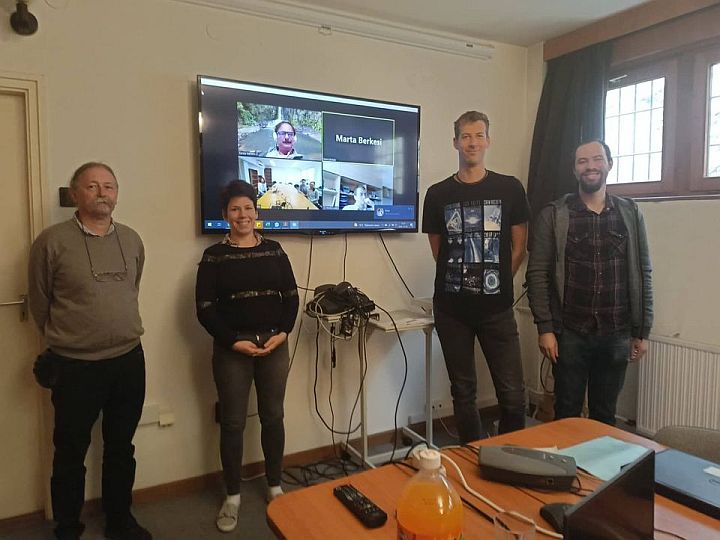
With this motto from Ede Teller, we launched our research team in October. In a hybrid format (online and the meeting room of the ELKH FI Kövesligethy Radó Seismological Observatory), we discussed and defined the strategy for the first period and the initial steps for key research directions. On behalf of the host institute (ELKH Institute of Earth Physics and Space Sciences), Viktor Wesztergom – Director, István Kovács – Head of the Lithosphere Physics Unit, and Gyöngyi Brányi – representing the administration; and members of the research team: Márta Berkesi, Eszter Békési, Kálmán Török, Károly Németh, László Palcsu, Kristóf Porkoláb, Tamás Spránitz, and Mátyás Hencz participated. Let the research begin, and we will soon have another report from the Lake Balaton region.