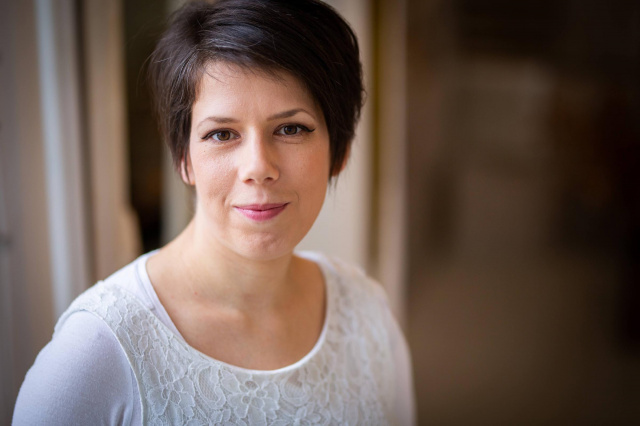
Márta Berkesi won a grant in the Academy’s call for researchers with young children

Researchers were eligible to win non-reimbursable grants of HUF 2 400 000 gross and HUF 1 200 000 gross in two categories. Applications were received from researchers in all three major scientific fields, and the decision was made by a jury of experts in the respective fields, taking into account professional and equal opportunities criteria. 

The grant is available from 1 May 2025 to 30 April 2026, with a choice of 3, 4, 6, 8 or 12 months, broken down by month according to the duration.
A total of 65 valid applications were received for this call for proposals: 18 in category 1 and 47 in category 2. Proposals were received from all three major disciplines: humanities and social sciences, life sciences, and mathematics and natural sciences.
A jury of experts in the respective disciplines assessed the applications on their merits, taking into account professional and equal opportunities criteria, and recommended the applicants to be supported. Based on the jury’s recommendations, the Secretary General of the MTA decided on the winning applications. This year, 14 proposals were selected for funding in the first category and 28 in the second category, for a total of HUF 67.2 million.

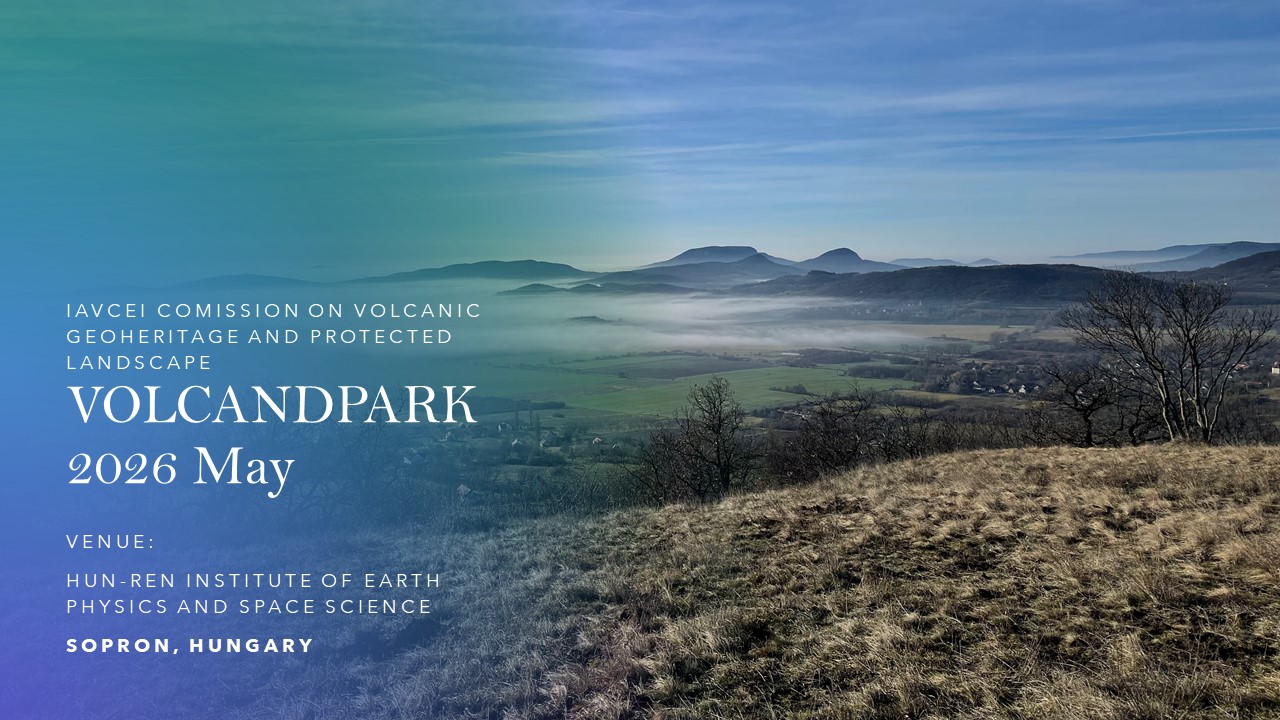
Volcandpark conference in Sopron (2026)

Members of our research team Mátyás Hencz and Károly Németh participated in the IAVCEI Volcandpark 2024 conference in May. Thanks to their active participation, the HUN-REN Institute of Earth Physics and Space Science will host a prestigious international conference, as the next IAVCEI Volcandpark conference will take place here in May 2026.

The Volcandpark conference is the flagship event of the IAVCEI Commission on Volcanic Geoheritage and Protected Landscape, which was held in 2012 in Olot (Spain), in 2016 in Lanzarote (Spain, Canary Islands) and for the first time after the pandemic this year in Jičín (Czech Republic). The aim of the conference is to bring together experts in the research, assessment, protection, education and management of volcanic sites from many regions of the world to disseminate new ideas, concepts and techniques in the management and promotion of volcanic heritage. The ultimate goal is to contribute to building a more resilient society, to better understand the impacts of volcanic processes, both physical and social, and thus to ensure more effective preparedness for volcanic hazards and threats to volcanic geological heritage.

The Sopron location is ideal for accessibility and also for the planned field days. About an hour away is the Kemenes Volcano Park (with the Volcano House) and Ság Hill, where a relatively new and spectacular geotourism site will be visited during one of the field days. The other field trip site, the Bakony-Balaton Highland UNESCO Global Geopark (Bakony-Balaton Highland Volcanic Field), is an hour and a half away from Sopron, where participants will learn in detail about the formation of monogenetic volcanoes in a geomorphologically very interesting volcanic area of several million years of age. They will also gain insights into the functioning of a geopark operating in a volcanic area, into heritage conservation and geotourism work, as well as into the multidisciplinary research actively carried out in the area.

We look forward to welcoming you all in Sopron in May 2026! More details coming soon.

Main organisers: Mátyás Hencz, Károly Németh


Scientific lecture – Budapest

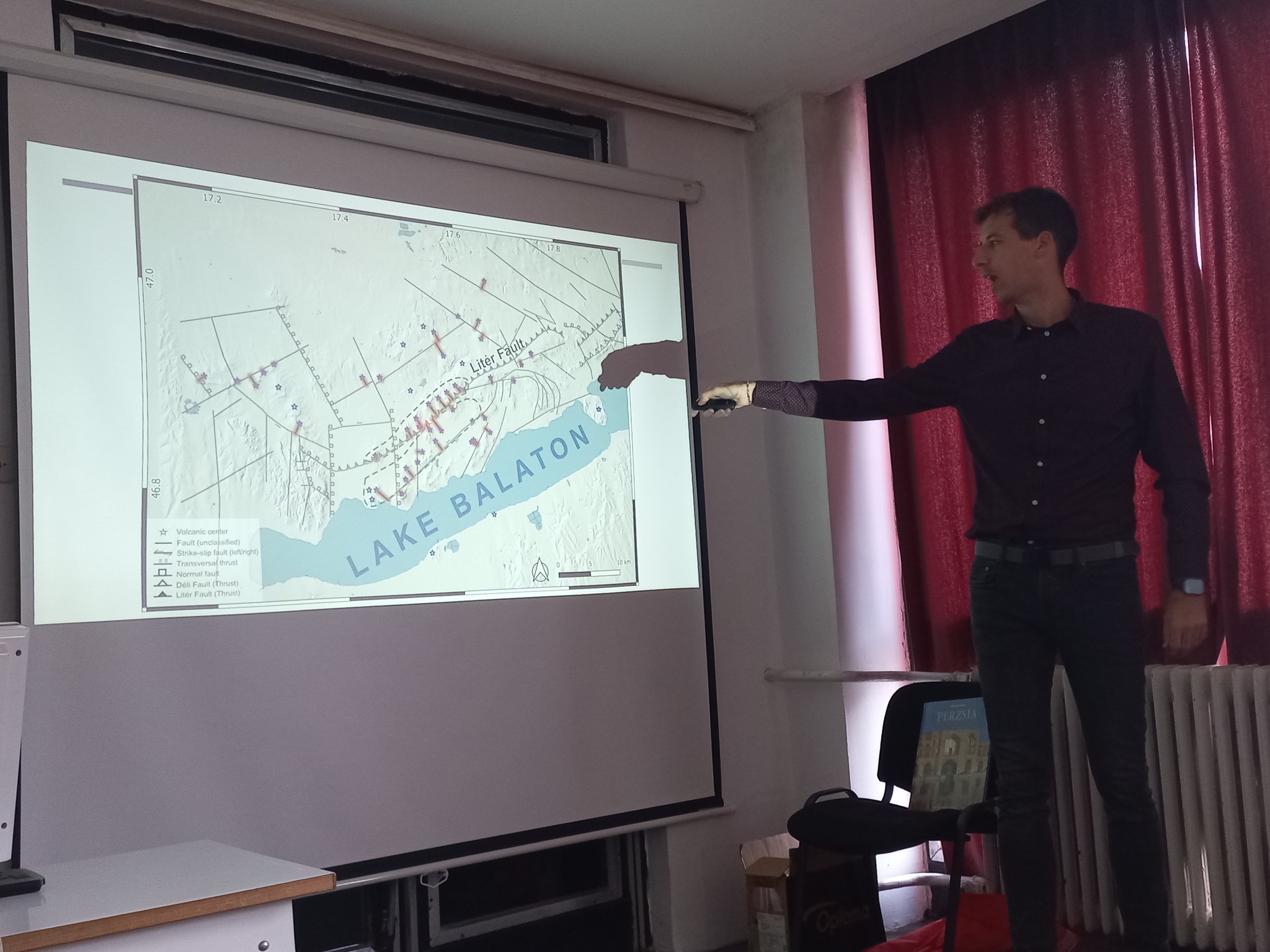
Our research team also attaches importance to sharing our results widely. With this aim in mind, we were delighted to accept the invitation of the Mineral Friendly Specialist Group of the TiT Studio Association (https://www.facebook.com/TITStudioEgyesulet), which was accepted by our colleague Mátyás Hencz. In his informative lecture he presented our latest volcanological and GIS results of the Balaton Highlands (“THE VOLCANOES OF THE BALATON HIGHLANDS: CONCLUSIONS BASED ON TEREPIC VOLCANOLOGICAL AND GIS RESEARCH”) at the meeting of the Association on 17.04.2024.
Thank you for the honourable invitation and for your kind attention! Following the presentation, many questions were raised, which were also inspiring for our research team.
https://www.tit.hu/studio/pr_tudomanybarat.html


EGU and Canada

For students and for solving geological problems!
Busy days at the research team…
The ATLAS symposium, organised by the Department of Earth and Atmospheric Sciences at the University of Alberta, Edmonton, Canada, is a professional event organised by the department’s graduate student community on topics in earth science, paleontology, environmental science and social geography. This year, the organisers asked Márta Berkesi to be one of the symposium’s keynote speakers. Márta Berkesi gave her presentation online, entitled “Tracing lithosphere-scale fluid transport in the Pannonian Basin (central Europe)”. 
Details: here
Thank you for the opportunity and the fruitful discussion with the staff and students of the department!

We switched the focus from Canada to our neighbouring country Austria, as the research team also participated in a French-German-Italian-Hungarian-Polish international collaboration session at this year’s EGU (European Geosciences Union) meeting in Vienna. The session was entitled “Solving geoscience problems using mineralogy”. The session, which included 19 presentations and 28 posters, addressed a number of problems and possible solutions for geoscientists: critical elements, earthquake rupture and elastic thermobarometry, soil analysis and the potential for the study of Martian rocks: more
It was a privilege to do all this with colleagues such as Jannick Ingrin, Melanie Sieber, Mara Murri, Rosario Esposito, Nicola Campomenosi, Stelianos Aspiotis, Juraj Majzlan and Julia Sordyl.
In addition to our research, we are continuing our work on the organisation of the sessions, as our research group is already working – also in international collaboration – on the realisation of a session at another important meeting, the EMC (European Mineralogical Conference) in Dublin, where the main focus will be on fluid and melt inclusions: here

New publication

Earthquakes and CO2-rich fluids may be so closely related geologically that we might even use the “chicken or the egg” analogy to explain the elusive temporality of this relationship. Could deep geologically-derived fluids help trigger some earthquakes or could the triggering of earthquakes cause a fluid release, or are the two effects a consequence of each other? These are just a few of the questions worth exploring in more detail.
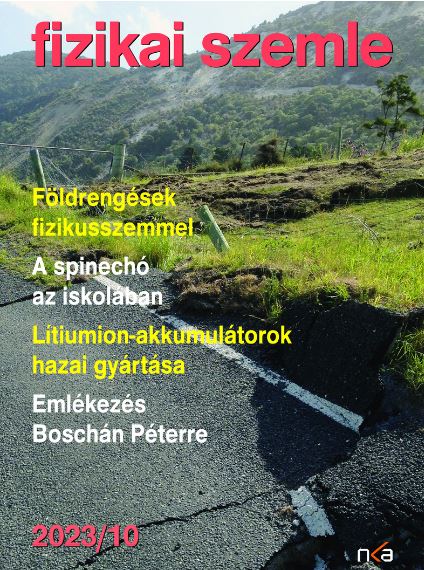
A series of articles by the HUN-REN Institute for Earth Physics and Space Science was published in the October issue of the Physical Reviews (Fizikai Szemle) entitled:
“Earthquakes through a physical lens or what the news misses”. 
In the columns of the Physics Reviews, members of the research team (Márta Berkesi and colleagues) summarise the known links between earthquakes, typically of higher magnitude, and fluid flows.

The paper also addresses the following exciting questions:
Whether volcanic eruptions can be caused by earthquakes (by Károly Németh, a research team co-author), 
Whether earthquakes can (or will) be predicted (by Sándor Szakács and István Kovács),
How we can see the traces of earthquakes in the upper atmosphere (Veronika Barta and colleagues).
Articles related to the Institute are available at the link below:

LINK to publications

New publication in JVGR

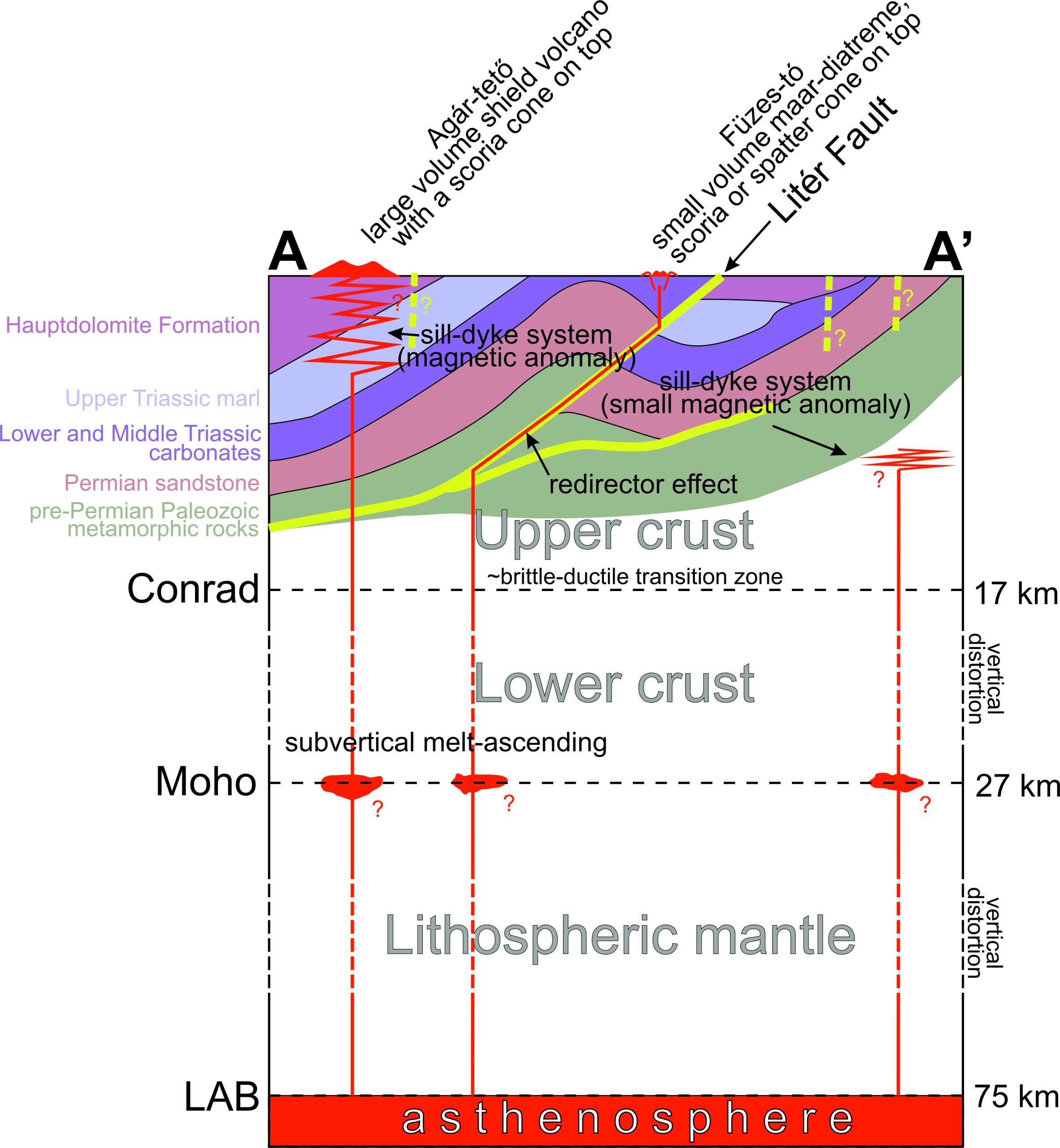
The volcanic supply pathway is an important basis for our research, because the lithospheric rocks (and their trapped fluid inclusions) sampled by the basalt form the basis of our research. It is important information for us to understand what within the lithosphere influences/modifies the subvertical direction of volcanic upwelling; this will give us insight into the possible direction of the sampled lithosphere.
Our new paper on the spatial and temporal sampling of the volcanic centres of the Bakony-Balaton Highlands Volcanic Area is now available in the prestigious volcanological journal, Journal of Volcanology and Geothermal Research. Geographic information systems (GIS) and statistical methods were used to analyse the spatial distribution of volcanoes. Our results indicate that in a significant number of cases, pre-volcanic tectonics and the inherited structural elements (faults) that have developed have a significant influence on the location of volcanoes. 
In this paper we conclude (Mátyás Hencz et al.) that inherited structural elements may have played an important role in the upwelling of magma in the upper crust: they may have channeled the melt, diverted it from its original path and caused the alignment of volcanoes at the surface.
The research was carried out in collaboration with the MTA FI Lendület Pannon LitH2Oscope Research Group.
The publication is available for free – open access – download: https://doi.org/10.1016/j.jvolgeores.2023.107940

Goldschmidt 2023, Lyon

The Goldschmidt International Conference (https://conf.goldschmidt.info/goldsch…/2023/meetingapp.cgi), organised by the European Association of Geochemistry and the Geochemical Society, took place for the 33rd time on 9-14 July 2023 in Lyon, France. Hungary was represented by a large number of students and staff from several universities and research institutes, some of whom were keynote speakers, invited speakers or section chairs. Several members of our research group and of the other Lendület research group of the ELKH Institute of Earth Physics and Space Science, MTA FI Lendület Pannon LitH2Oscope Research Group and of the ELTE TTK Lithosphere Fluid Research Lab participated in the scientific event. 
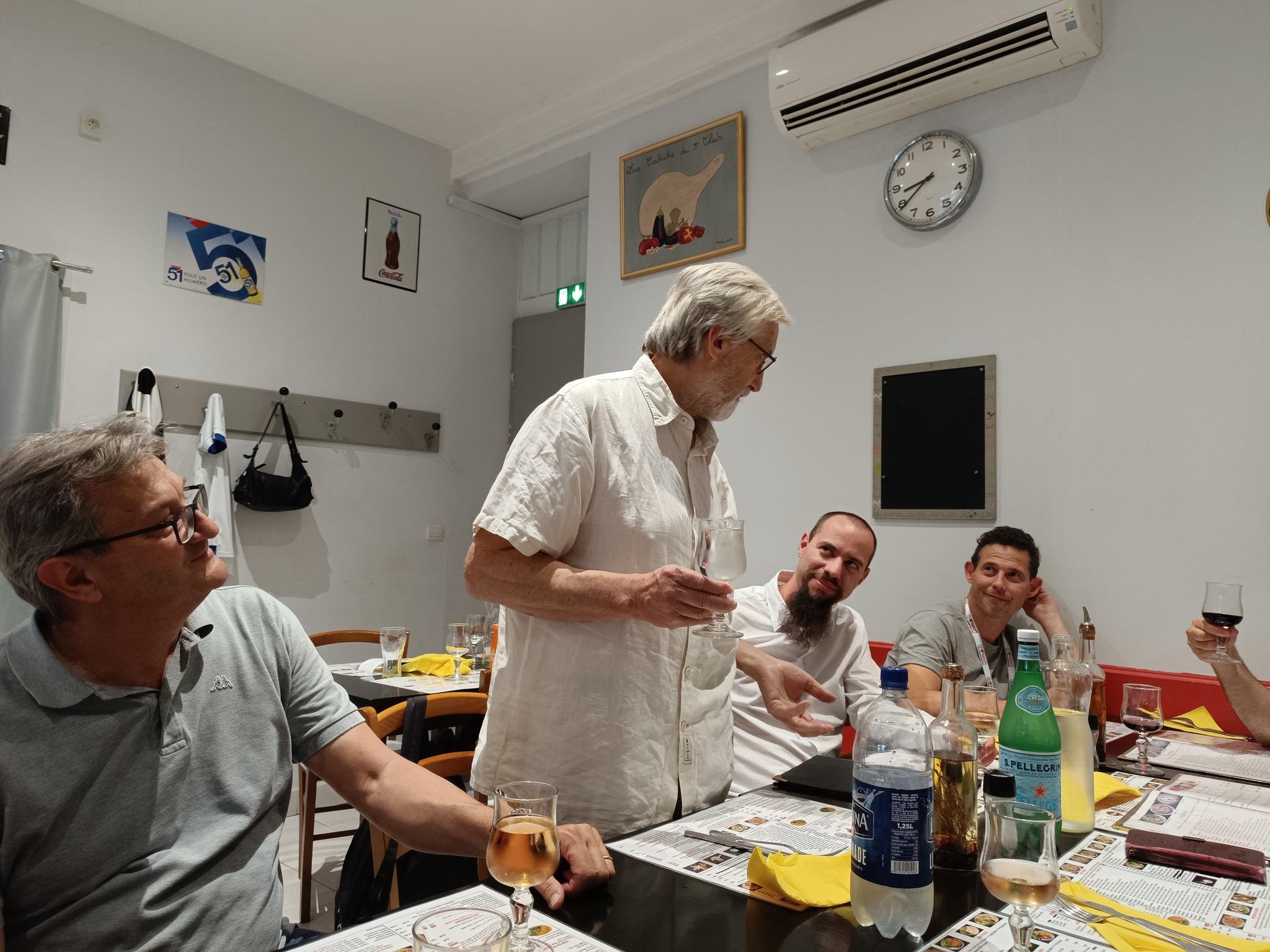
The most significant moment for the research group was the realisation of a scientific session that dedicated to the scientific work of Csaba Szabó, who has been teaching and researching at ELTE for decades and is currently a staff member of the Institute of Earth Physics and Space Science. The session was prepared and organised by former students (from all over the world) and collaborating researchers (Prof. Bernardo Cesare, Professor at the University of Padua), without Csaba’s knowledge, of course.

The session, which included 17 papers and 15 poster presentations, was entitled: Geochemical and geodynamical processes of the lithosphere based on fluid, silicate, carbonatite, and sulfide melt inclusions of the upper mantle and crust (session in honour of Dr. Csaba Szabó). As the keynote speaker of this special session, Robert John Bodnar (Virginia Tech, USA) – a renowned expert on fluid and melt inclusions and former mentor of Csaba Szabó in the USA – praised Csaba Szabó’s exemplary professional and pedagogical excellence, based on his major scientific achievements, successes and collaborations, which are marked by the generations of researchers he has appointed, both in Hungary and abroad. Other invited speakers included Enikő Bali (University of Iceland, Iceland), Costanza Bonadiman (Università degli Studi di Ferrara, Italy) and Gregory M. Yaxley (Australian National University, Australia). 
The head of our research group, Márta Berkesi, participated as one of the section chairs and main organizers, in addition to her poster presentation. Tamás Spránitz, a young researcher from our group, gave a presentation in the section, while Justine Myovela, a PhD student who joined our project, gave a poster presentation.

The session and its positive reception is a great tribute to Csaba Szabó and, through him, to the Hungarian geosciences.


ECROFI 2023 – Iceland

FluidsByDepth on international field trips this summer!

Part 1 – ICELAND

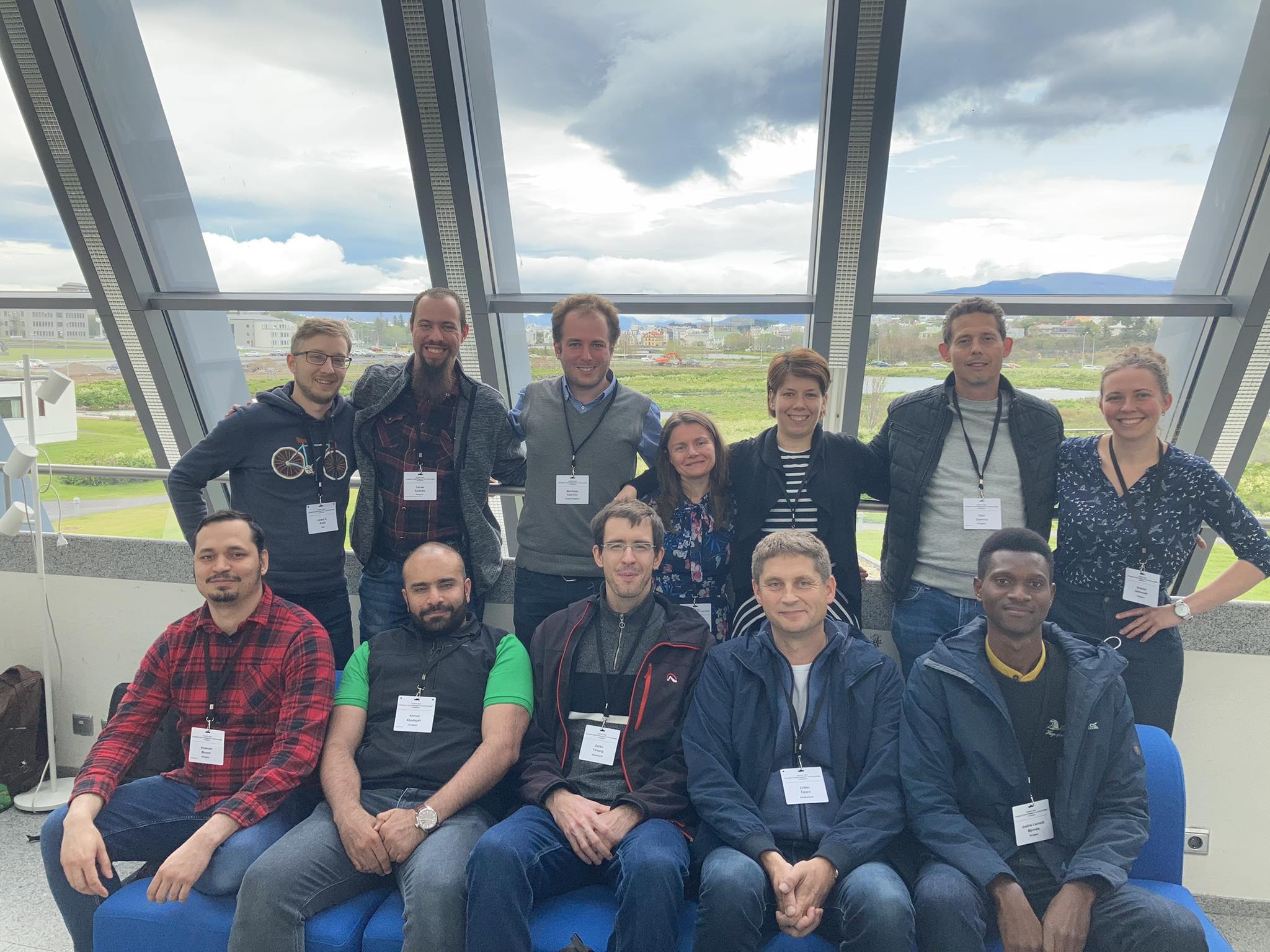
ECROFI, the most prestigious meeting for fluid inclusions, was held in a special location in Iceland (Reykjavík) this year (https://ecrofi2023.is/). 
In addition to the traditional scientific presentations/posters and consultations and collaborations were strengthened and continued, we had a unique experience:

1) we were able to visit the border between the Eurasian and American continental plate
2) live geyser eruptions – which are also “fluidsbydepth”, i.e. the transport of deeper fluids to the surface – but from shallower depths
3) the earth was shaking beneath us: we felt several earthquakes a day in the days leading up to the Reykjanes Peninsula volcanic eruption (members of the research team were on the ground in the days before the eruption), which has since received understandably high media coverage
4) the conference gave us insights into socio-economic-scientific geological collaborations that concern all of us, but have already been implemented in Iceland, such as 
 – Carbfix (https://www.carbfix.com/) : atmospheric CO2 storage by mineral capture 
 – The Iceland Deep Drilling Project (https://nea.is/geothermal/the-iceland-deep-drilling-project/), which is investigating and applying the energy production economics of supercritical geothermal fluids from Iceland’s geothermal fields 

In Iceland we also learned and re-experienced the general importance of fluids in earth processes, thanks to Enikő Bali for organizing the conference!


MTA interview

A great and insightful interview with Marta Berkesi from the MTA FI Fluidsbydepth Momentum Research Group, which has been active since last autumn. It shows that not everything is solid underfoot. Enjoy your reading!

Click here for the interview!


ISZA 2023

A small part of our research team was also represented at the Meeting of Young Geoscientists (Ifjú Szakemberek Ankétja, ISZA) in Nagybörzsöny before Easter. 
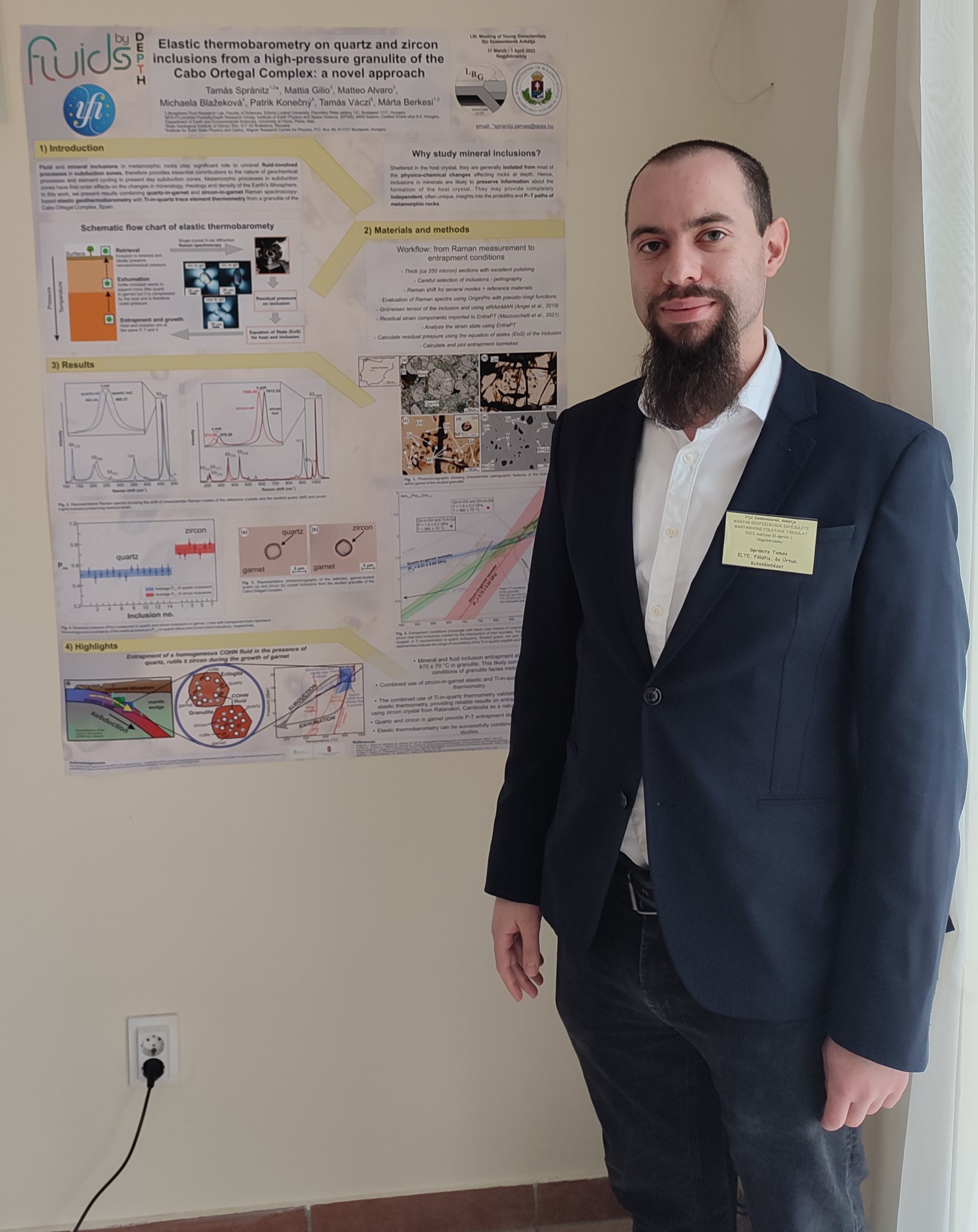
We are very pleased that our group member Tamás Spránitz came 3rd in the poster competition. Tamás presented the application of a method – elastic thermobarometry – which is also in the plans of our Lendület research group and which is an internationally new scientific approach with great potential to understand the pressure-temperature relationships of deeper crustal rocks and fluids. 
Congratulations to Tamás for his achievement at the conference and for “bringing the method home” in particular. Keep it up!
We thank the organizers of the ISZA (Hungarian Geophysicists Association, Hungarian Geological Society) for the meeting and for giving young geoscientists the opportunity to test their scientific achievements!